Quantum computing rests on a few ideas from physics. Once they click, the rest of the field becomes much easier to follow.
Qubits
A qubit is the basic unit of quantum information. It can be built from many physical systems, including tiny superconducting circuits, trapped ions held by lasers, and particles of light.
Superposition
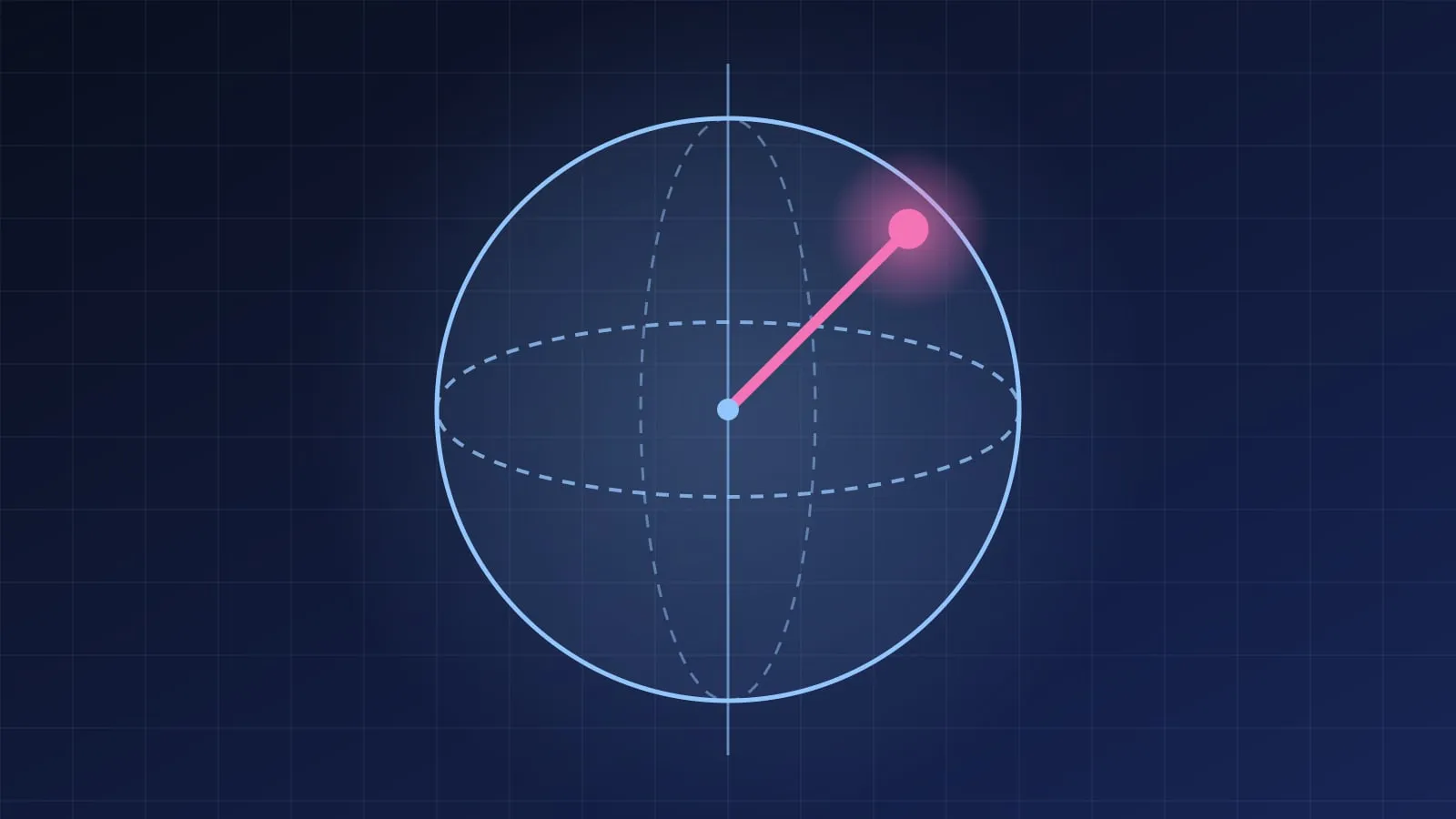
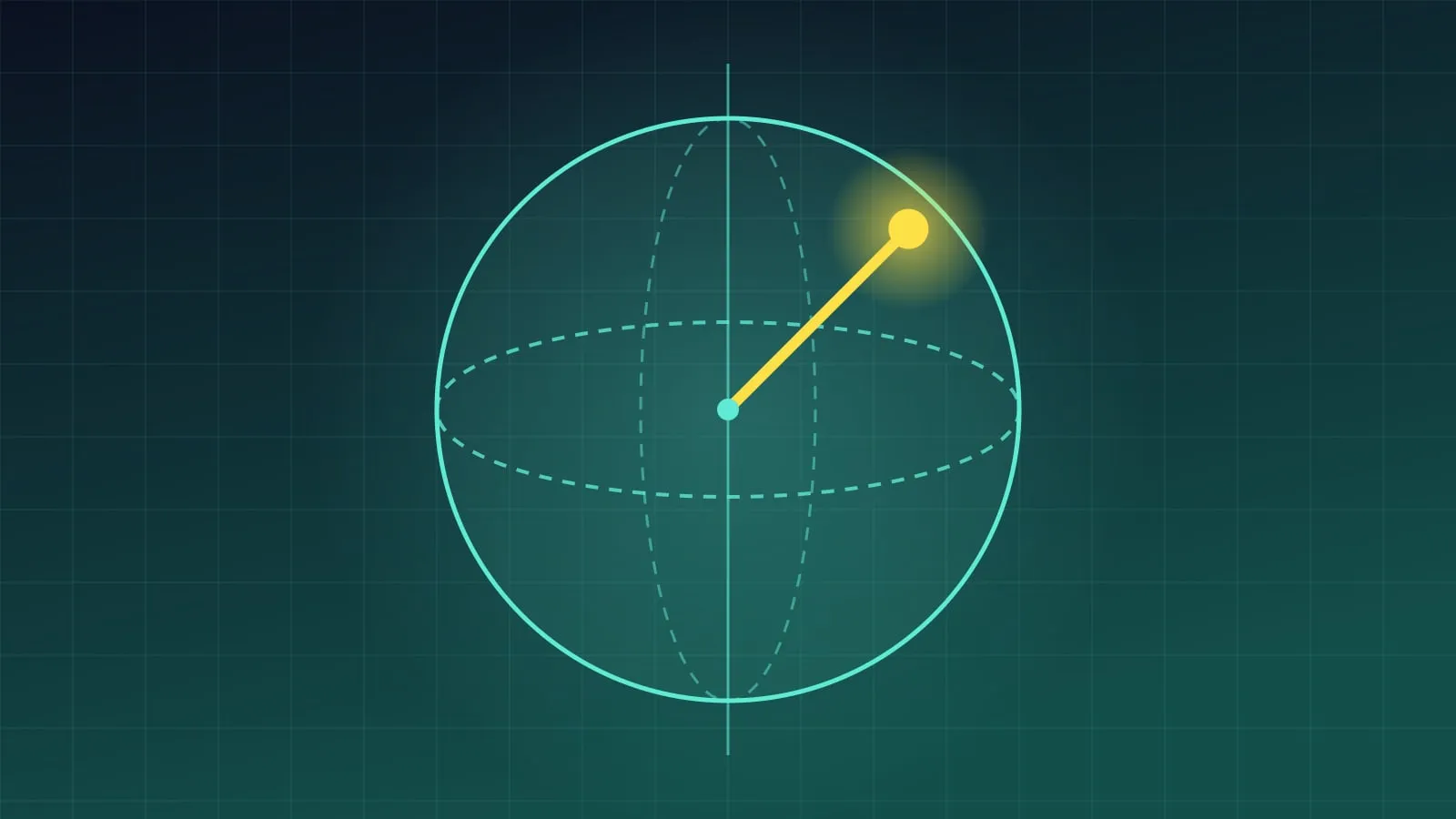
Before it is measured, a qubit can be in a blend of 0 and 1 at the same time. Measuring it gives a definite 0 or 1, with probabilities set by how the qubit was prepared. A common way to picture this is a point on a sphere, called the Bloch sphere.
Entanglement
Two or more qubits can be linked so that their measurement results are correlated in ways that classical systems cannot reproduce. Entanglement lets the state of a quantum computer grow far richer than the sum of its parts.
Interference
Like waves on water, quantum possibilities can reinforce or cancel each other. Algorithms are designed so that paths leading to correct answers reinforce, and the rest fade away.
Gates and circuits
- Quantum gates rotate and combine qubit states, like logic gates in a normal chip.
- Circuits are sequences of gates that make up an algorithm.
- Measurement at the end turns the quantum state into ordinary bits.


Comments (2)