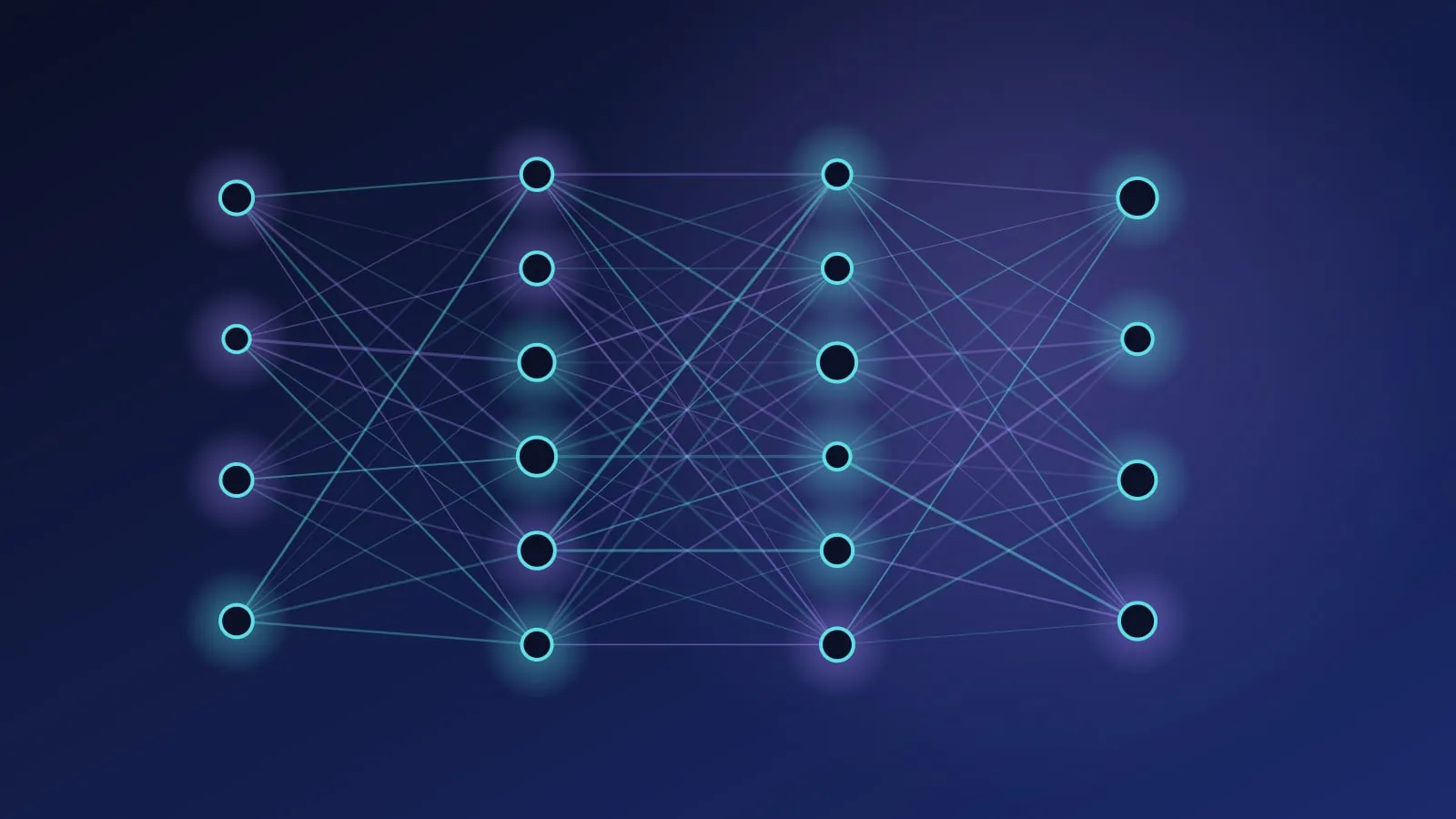
Artificial intelligence is the field of building computer systems that perform tasks we usually associate with human thinking: recognising images, understanding language, making predictions and planning steps toward a goal.
Most of what people call AI today is machine learning. Instead of writing every rule by hand, engineers show a system many examples and let it learn the patterns that connect inputs to outputs.
How machine learning works
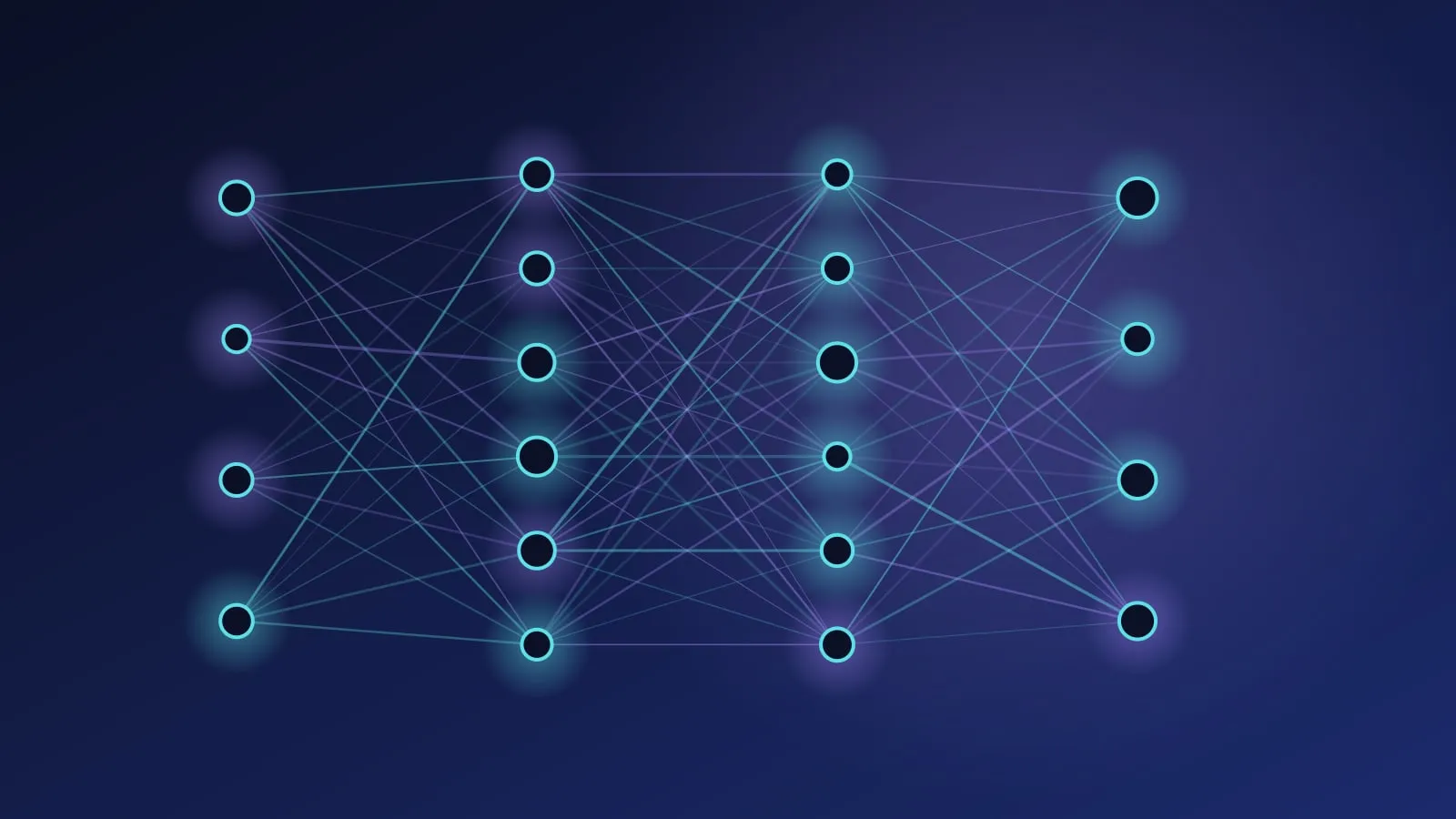
A model starts with millions of adjustable numbers. During training it makes a guess, measures how wrong it was, and nudges those numbers to do slightly better next time. Repeated over a huge set of examples, this process produces a model that can handle cases it has never seen.
The main kinds of AI you meet every day
- Recognition: identifying faces, objects, speech and handwriting.
- Prediction: forecasting demand, spotting fraud, recommending products.
- Generation: writing text, creating images and summarising documents.
- Decision support: ranking options and flagging risks for a human to review.
What AI is not
AI systems do not understand the world the way people do. They are powerful pattern-finders, which means they can be confidently wrong when a situation differs from their training data. Good AI products keep people in the loop for decisions that matter.
The most useful question is not "can AI do this?" but "what happens when it gets it wrong?"
Understanding these basics makes it much easier to judge where AI helps, where it needs supervision, and where a simpler tool is the better choice.


Comments (2)